What is a Hylam Sheet? Uncovering Uses and Benefits of Bakelite Sheets

Discover the versatility and unique properties of Hylam sheets in this comprehensive guide. Often referred to as Bakelite sheets, these materials have become indispensable in various industries, from electrical components to architectural design. Whether you’re sourcing Hylam sheets in Cape Town or exploring their uses for bathroom doors and electrical panels, this post will provide you with valuable insights. Learn about the dielectric constant that makes Hylam sheets ideal for electrical insulation and find out how to select the right size, such as 6mm Bakelite sheets, for your specific needs. We’ll also cover the price range and manufacturers in locations like Hyderabad and Kolkata, ensuring you have all the information needed to make informed decisions. Whether you’re looking for Hylam sheet suppliers in Nashik or wondering about Bakelite sheet prices in Ludhiana, this guide has got you covered.
Understanding Hylam Sheets and Bakelite Sheets
Hylam sheets and Bakelite sheets are both highly valued materials in industrial manufacturing, particularly in electrical components and panel manufacturing. While often used interchangeably, these materials have distinct differences that make each more suitable for specific applications. Understanding the composition, properties, and common uses of Hylam sheets and Bakelite sheets can help you make informed decisions for your projects.
Composition and Material Properties
The primary distinction between Hylam sheets and Bakelite sheets lies in their composition. Hylam sheets are made from a combination of phenolic resin and various fillers, typically including paper or fabric, depending on the intended application. This combination gives Hylam sheets their notable mechanical strength and electrical insulation properties.
On the other hand, Bakelite sheets are composed of phenolic resin reinforced with wood flour or other fibrous fillers. This composition results in a material that is highly durable and heat-resistant, making it ideal for applications requiring thermal stability. These differences in composition lead to varying performance characteristics, which are crucial when selecting the right material for your needs.
Applications in Electrical Components and Panel Manufacturing

Hylam sheets excel in electrical insulation applications due to their excellent dielectric properties. They are widely used in switchboards, transformers, and other electrical equipment where insulation is critical. The material’s ability to withstand high temperatures without degrading makes it a preferred choice in industries where reliability is paramount.
Bakelite sheets, while also used in electrical applications, are more commonly selected for their superior thermal resistance and dimensional stability. These properties make Bakelite the go-to material for high-temperature environments and applications where mechanical strength is essential, such as in the construction of machinery parts and automotive components.
Where Each Material Excels
When choosing between Hylam sheets and Bakelite sheets, it’s important to consider the specific requirements of your project. Hylam sheets are often preferred for their electrical insulation and mechanical strength, making them ideal for electrical panels and switchboards. Meanwhile, Bakelite sheets are favored for their heat resistance and durability, making them better suited for applications in high-temperature and mechanically demanding environments.
Understanding these differences can help you select the right material for your specific application, ensuring that you achieve the desired performance and longevity in your products.
By diving into the details of composition, material properties, and application suitability, this section provides a clear comparison between Hylam sheets and Bakelite sheets, helping you make informed decisions based on your unique needs.
Common Uses of Hylam Sheets in Electrical Components and Beyond
Hylam sheets have carved out a vital niche in various industries due to their exceptional electrical insulation and mechanical strength. These properties make Hylam sheets indispensable in numerous applications, especially within electrical components and other industrial settings. Let’s explore the diverse uses of Hylam sheets in greater detail.
Hylam Sheets in Electrical Panels and Switchboards
One of the most prominent applications of Hylam sheets is in electrical panels and switchboards. Their excellent dielectric properties ensure that Hylam sheets effectively insulate electrical circuits, preventing short circuits and protecting against electrical failures. These sheets are designed to withstand high voltages, making them a reliable choice for electrical engineers and panel manufacturers.

In addition to their insulation capabilities, Hylam sheets also offer substantial mechanical strength. This makes them ideal for the structural components of switchboards and panels, where durability is just as crucial as electrical performance. The ability to handle both electrical and mechanical stresses ensures that Hylam sheets are widely used in industrial-grade switchboards across various sectors.
Applications in Industrial Doors and Partitions
Beyond electrical applications, Hylam sheets are also extensively used in industrial doors and bathroom partitions. The material’s robustness and resistance to moisture make it an excellent choice for environments that require durable and hygienic solutions. For instance, Hylam sheet doors are commonly found in industrial washrooms, laboratories, and chemical processing plants, where resistance to harsh chemicals and easy maintenance are critical factors.
These doors and partitions benefit from the heat resistance and dimensional stability of Hylam sheets, ensuring they remain functional and safe in demanding environments. Whether used in a factory setting or a commercial facility, Hylam sheet partitions provide a cost-effective and long-lasting solution.
Expanding Applications in Modern Industry
The versatility of Hylam sheets extends far beyond traditional uses. In recent years, they have found new applications in industries such as automotive, aerospace, and construction. For example, Hylam sheets are increasingly being used in engine components and structural parts due to their ability to withstand high temperatures and mechanical stress.
In the construction industry, Hylam sheets are valued for their fire-retardant properties and resistance to weathering. They are often used in external cladding and protective barriers, providing both insulation and structural support.
The Growing Demand for Hylam Sheets
As industries continue to evolve, the demand for reliable and versatile materials like Hylam sheets is on the rise. Their unique combination of electrical insulation, mechanical strength, and chemical resistance makes them indispensable across a wide range of applications. Whether you’re working on electrical components, industrial doors, or innovative construction projects, Hylam sheets offer the durability and performance needed to meet today’s rigorous standards.
By understanding the full spectrum of Hylam sheet applications, you can better appreciate their value in both traditional and emerging industries. This knowledge ensures that you select the right material for your specific needs, enhancing the efficiency and longevity of your projects.

The Importance of Dielectric Constant in Hylam Sheets for Electrical Insulation
Dielectric constant is a critical property when evaluating materials for electrical insulation, and Hylam sheets are no exception. This property measures a material’s ability to store electrical energy in an electric field, which directly impacts its effectiveness as an insulator. Understanding the dielectric constant of Hylam sheets and how it compares to Bakelite sheets can help you make informed decisions in high-performance electrical applications.
What is Dielectric Constant?
The dielectric constant (also known as relative permittivity) of a material is a measure of its ability to resist the flow of an electric field. In practical terms, it indicates how well the material can insulate electrical components from each other, preventing electrical leakage and ensuring safety. A higher dielectric constant means the material can store more electrical energy, making it more effective as an insulator.
For Hylam sheets, the dielectric constant is a key factor that determines their suitability for use in high-voltage applications such as transformers, switchboards, and circuit breakers. The specific formulation of Hylam sheets provides a balanced dielectric constant, making them a reliable choice for electrical engineers and manufacturers looking for dependable insulation materials.
Comparing Dielectric Constants: Hylam Sheets vs. Bakelite Sheets
When comparing the dielectric constant of Hylam sheets to that of Bakelite sheets, it becomes clear why Hylam sheets are often preferred in certain electrical applications. While both materials have excellent insulating properties, Hylam sheets typically have a slightly higher dielectric constant due to their composition, which includes a combination of phenolic resin and reinforcing fillers like paper or fabric.
This higher dielectric constant allows Hylam sheets to perform better in applications where superior electrical insulation is required. For example, in high-frequency circuits or power distribution systems, where minimizing energy loss is critical, Hylam sheets are the material of choice. The enhanced insulating capability reduces the risk of electrical failures and prolongs the lifespan of the equipment.
Why Dielectric Constant Matters in High-Performance Applications
In high-performance electrical applications, the dielectric constant of the insulating material can be a deciding factor in ensuring system reliability. Hylam sheets with their optimized dielectric constant provide the necessary insulation to handle high voltages and frequencies, preventing short circuits and maintaining operational efficiency.

Moreover, Hylam sheets offer consistent performance across a wide range of temperatures, which is crucial in environments where electrical equipment is exposed to fluctuating thermal conditions. This stability, combined with their superior dielectric properties, makes Hylam sheets ideal for use in transformers, switchgears, and other critical components of electrical infrastructure.
Where Hylam Sheets Excel Over Bakelite Sheets
While Bakelite sheets are highly regarded for their thermal resistance and mechanical strength, Hylam sheets often outperform them in scenarios where electrical insulation is the top priority. The higher dielectric constant of Hylam sheets ensures better energy storage and less leakage, which is essential in maintaining the integrity of electrical systems.
Industries that demand the utmost reliability in their electrical insulation, such as power generation and telecommunications, often choose Hylam sheets for their superior performance. By understanding the importance of dielectric constant and its impact on insulation efficiency, you can better select the right material for your high-performance electrical applications.
This in-depth exploration of dielectric constant highlights why Hylam sheets are a preferred choice in the electrical industry, particularly when compared to Bakelite sheets in certain applications. Their ability to provide consistent and effective insulation ensures they meet the rigorous demands of modern electrical systems.
Hylam Sheet Manufacturing and Sourcing: From India to the UK
The global demand for Hylam sheets has led to a robust manufacturing and supply chain that spans across continents. From key manufacturers in India to trusted suppliers in the UK and availability in regions like Cape Town and Bangalore, sourcing Hylam sheets requires an understanding of the market dynamics and the attributes of a reliable supplier.
Manufacturing Hylam Sheets in India
India is one of the leading producers of Hylam sheets, with a long history of manufacturing high-quality phenolic laminates. Indian manufacturers are known for their ability to produce Hylam sheets that meet international standards, offering a wide range of products that cater to various industries, from electrical engineering to construction.
Key manufacturing hubs in India include cities like Hyderabad, Ahmedabad, and Mumbai. These regions house some of the most reputable Hylam sheet manufacturers who utilize advanced technology and rigorous quality control processes to produce sheets that are durable, reliable, and competitively priced. When sourcing Hylam sheets from India, it’s crucial to ensure that the manufacturer adheres to ISO standards and offers customizable options to meet specific project requirements.
Sourcing Hylam Sheets in the UK
The UK market for Hylam sheets is well-developed, with a strong network of suppliers that serve both domestic and international clients. UK-based suppliers are often favored for their commitment to quality and their ability to provide timely delivery, making them a go-to source for industries that require consistent and reliable supply chains.

In addition to offering standard Hylam sheet sizes and specifications, many UK suppliers provide value-added services such as cutting, machining, and customization to meet specific customer needs. The availability of Hylam sheets in the UK extends to major industrial centers, ensuring that businesses across the country can access the materials they need with ease.
Availability in Cape Town and Bangalore
Cape Town and Bangalore are emerging markets for Hylam sheets, driven by the growth of industrial and electrical infrastructure in these regions. In Cape Town, Hylam sheets are becoming increasingly popular in electrical insulation and architectural applications, supported by local suppliers who import high-quality sheets from established manufacturers.
Bangalore, known as the “Silicon Valley of India,” has a thriving tech and manufacturing industry that heavily relies on Hylam sheets for various applications, from circuit boards to industrial enclosures. The availability of Hylam sheets in Bangalore is bolstered by proximity to major manufacturing hubs, ensuring quick and cost-effective access to materials.
What to Look for in a Reliable Supplier
When sourcing Hylam sheets, selecting a reliable supplier is critical to ensuring the quality and consistency of the materials you receive. Here are key factors to consider:
- Quality Assurance: Look for suppliers who provide certifications and adhere to international standards such as ISO 9001. This ensures that the Hylam sheets meet the necessary quality benchmarks.
- Customization Capabilities: A good supplier should offer customization options to cater to your specific needs, whether it’s custom sizes, thicknesses, or specialized treatments.
- Supply Chain Reliability: Evaluate the supplier’s ability to deliver Hylam sheets on time, consistently. This is particularly important for industries where material delays can lead to significant downtime.
- Technical Support: Choose suppliers who offer technical support and consultation services, helping you select the right Hylam sheets for your specific application.
- Global Reach: If you operate in multiple regions, consider suppliers who have a global presence or can ship Hylam sheets internationally with ease.
By focusing on these factors, you can partner with a Hylam sheet supplier who not only meets your material requirements but also supports the success of your projects through reliable service and high-quality products. Whether sourcing from India, the UK, or other regions, understanding the global landscape of Hylam sheet manufacturing and sourcing can provide a significant advantage in securing the best materials for your needs.
Choosing the Right Hylam Sheet: Sizes, Prices, and Specifications
Selecting the right Hylam sheet for your project requires careful consideration of various factors, including size, thickness, and price. Whether you’re working on an electrical insulation project, industrial partitions, or any other application, understanding the available options will help you make an informed choice. Here’s a detailed guide to help you navigate through the key aspects of choosing the perfect Hylam sheet for your needs.
Understanding Standard Sizes and Thickness Options

Hylam sheets are available in a range of standard sizes, typically designed to cater to the most common industrial and commercial applications. The most widely available sizes include 4×8 feet and 4×10 feet sheets, which are suitable for a variety of uses, from panel manufacturing to door partitions. These standard sizes allow for flexibility in design and ease of integration into existing systems.
When it comes to thickness, Hylam sheets offer multiple options, ranging from as thin as 1mm to as thick as 50mm. The choice of thickness depends largely on the application:
- 6mm Hylam Sheets: Ideal for electrical insulation applications, such as switchboards and transformers. The 6mm thickness provides sufficient mechanical strength while maintaining dielectric properties.
- 10mm Hylam Sheets: Commonly used in industrial doors, bathroom partitions, and other structural applications where additional rigidity and durability are required. The 10mm thickness offers a balance between flexibility and strength, making it versatile for various environments.
Price Points and Cost Considerations
The cost of Hylam sheets can vary depending on the size, thickness, and manufacturer. Typically, Hylam sheet prices are influenced by the quality of the phenolic resin, the type of fillers used, and the production process. In regions like India, where manufacturing costs are relatively lower, Hylam sheets tend to be more affordable, making them a popular choice for both domestic and international markets.
For example, a 6mm Hylam sheet may range in price from $15 to $25 per square meter, depending on the supplier and the specific requirements. On the other hand, a 10mm Hylam sheet might cost between $30 and $50 per square meter, reflecting the additional material and production complexities involved.
When sourcing Hylam sheets in regions like the UK or Cape Town, prices may be slightly higher due to import duties and transportation costs. However, the quality and reliability of UK suppliers often justify the investment, particularly for projects that demand the highest standards of electrical insulation and structural integrity.
Tips for Calculating the Necessary Material
Accurately calculating the amount of Hylam sheet material needed for your project is crucial to avoid wastage and ensure cost-effectiveness. Here are some tips to help you determine the right quantity:
- Assess the Application: Start by clearly defining the purpose of the Hylam sheets in your project. For electrical insulation, consider the voltage levels and environmental conditions that the material will be exposed to. For structural applications, assess the load-bearing requirements and durability needed.
- Measure the Area: Calculate the total surface area where the Hylam sheets will be applied. This includes accounting for any overlaps, cutouts, or custom shapes that may be required.
- Choose the Appropriate Thickness: Based on the application, select the correct thickness of the Hylam sheet. Thicker sheets may require fewer layers but could be more challenging to work with in terms of cutting and fitting.
- Consider Wastage: It’s always a good idea to order slightly more material than your calculations suggest, to account for any cutting errors or unforeseen changes during installation. Typically, an additional 5-10% is recommended to cover these contingencies.
- Consult with Suppliers: Work closely with your Hylam sheet supplier to confirm the exact specifications and ensure that the material meets all relevant standards for your project. A reliable supplier can also provide advice on optimizing material use and reducing costs.
By understanding these aspects of Hylam sheet selection, you can ensure that your project runs smoothly, efficiently, and within budget. Whether you’re purchasing from a UK supplier, sourcing from India, or acquiring materials in Cape Town, these guidelines will help you make the best choice for your specific needs.

Maintaining and Using Hylam Sheets: Best Practices and Tips
Hylam sheets are renowned for their durability and versatility, making them a popular choice across various industries. However, to maximize their performance and longevity, it’s essential to follow best practices in cutting, drilling, installation, and maintenance. Here’s a detailed guide to help you work with Hylam sheets effectively, ensuring their integrity over time.
Cutting Hylam Sheets: Techniques and Tools
Cutting Hylam sheets requires precision and the right tools to avoid damaging the material. For most applications, a carbide-tipped saw blade is recommended due to its ability to make clean cuts without chipping the edges. When cutting Hylam sheets, it’s crucial to secure the sheet firmly to prevent movement, which can lead to inaccurate cuts or material breakage.
- Tip: Use a guide rail to ensure straight cuts and reduce the risk of material wastage. Always wear appropriate safety gear, including goggles and gloves, to protect against dust and sharp edges.
For more intricate shapes or detailed work, a CNC machine can be used to achieve precise cuts. This method is particularly useful when working with thicker Hylam sheets or when producing components that require a high degree of accuracy.
Drilling Hylam Sheets: Avoiding Cracks and Splits
Drilling Hylam sheets can be challenging due to the material’s hardness and brittleness. To avoid cracks and splits, it’s essential to use the correct drilling techniques and tools. A high-speed steel (HSS) drill bit is ideal for this purpose, as it can handle the material’s density without overheating.
- Tip: When drilling, start with a small pilot hole before progressing to the final size. This helps to guide the drill bit and reduces the pressure on the material, minimizing the risk of cracks. Use a low drill speed to prevent the sheet from heating up, which can lead to warping or other damage.
Ensure that the Hylam sheet is supported from underneath while drilling to prevent flexing, which can also cause splits. If drilling multiple holes, consider using a template to maintain consistent spacing and alignment.
Installation Tips for Long-Term Durability
Proper installation is key to ensuring the long-term durability of Hylam sheets. Whether the sheets are used for electrical panels, industrial doors, or partitions, following the correct installation procedures will enhance their performance and lifespan.
- Tip: When installing Hylam sheets in environments exposed to moisture, such as bathrooms or outdoor structures, it’s essential to seal the edges with a waterproof sealant. This prevents water from seeping into the material, which can cause swelling, delamination, or other forms of degradation.
For applications requiring thermal insulation, ensure that the Hylam sheets are properly spaced from heat sources to avoid overheating. Using thermal spacers or insulating pads can help maintain a safe distance and protect the material from heat damage.
Maintaining Hylam Sheets: Preventing Damage Over Time
Maintaining Hylam sheets involves regular inspection and preventive care to avoid common issues such as water damage, scratches, and chemical exposure. Here are some best practices to keep your Hylam sheets in top condition:
- Tip: Clean Hylam sheets regularly with a mild detergent and water. Avoid using abrasive cleaners or solvents that could damage the surface. For stubborn stains, a soft brush or sponge can be used without scratching the material.
If the Hylam sheets are used in an environment with high humidity or chemical exposure, consider applying a protective coating to the surface. This coating can help shield the material from moisture and chemicals, extending its lifespan.
- Tip: Inspect the edges and surfaces of the Hylam sheets periodically for signs of wear, such as chipping or discoloration. Early detection allows for timely repairs, preventing more extensive damage.
By following these best practices in cutting, drilling, installation, and maintenance, you can ensure that your Hylam sheets perform optimally and last for many years, even in demanding environments. Whether you’re working on a complex industrial project or a simple installation, these tips will help you achieve professional results and protect your investment in Hylam sheets.
Frequently Asked Questions about Hylam Sheets and Customization at OwnPlastics
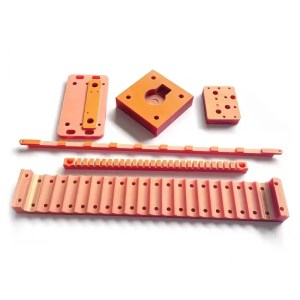
When considering Hylam sheets for your projects, it’s essential to understand not only the material but also the customization options available through OwnPlastics. Below are some of the most common questions we receive, along with detailed answers that will help guide you through the process.
1. What Customization Options Are Available for Hylam Sheets at OwnPlastics?
OwnPlastics can undertake a wide range of customization options for Hylam sheets. Whether you need a specific size, thickness, or a particular finish, we can tailor the Hylam sheets to meet your exact requirements. This includes both sample customization for prototyping and batch customization for larger production runs. Contact our team to discuss your specific needs.
2. Which File Formats Does OwnPlastics Accept for Customization Requests?
At OwnPlastics, we accept a variety of file formats to facilitate easy customization. These include PDF, CAD, DXF, DWG, and more. Our team can work with the file format that best suits your project, ensuring seamless communication and precise execution. If you’re unsure about the format, our technical support can assist in converting or preparing your files.
3. Is There a Minimum Order Quantity (MOQ) for Custom Hylam Sheets?
No, OwnPlastics does not require a minimum order quantity (MOQ) for custom Hylam sheets. Whether you need a single sheet for a prototype or a large batch for full-scale production, we can accommodate your order. This flexibility allows you to test and refine your designs without the pressure of large order commitments. Reach out to discuss your order size.
4. How Long Does the Production Cycle Take for Customized Hylam Sheets?
The production cycle for customized Hylam sheets at OwnPlastics varies depending on the order size and the complexity of the customization. We work closely with you to establish realistic timelines and will communicate the progress at each stage of production. Generally, smaller orders may be completed within a few days, while more complex or bulk orders may take longer. Stay informed with regular updates from our team.
5. Can I Request a Sample of Customized Hylam Sheets?
Yes, OwnPlastics supports the provision of samples for customized Hylam sheets. This allows you to review the material and ensure it meets your specifications before committing to a larger order. The sample is provided free of charge, with the customer responsible only for shipping costs. Request your sample today to get started.
6. What Are the Common Applications of Hylam Sheets in Different Industries?
Hylam sheets are widely used across various industries due to their excellent electrical insulation and mechanical strength. Common applications include electrical panels, switchboards, industrial partitions, and thermal insulation components. Their versatility makes them suitable for both heavy industrial use and more specialized applications like bathroom partitions and machinery components. Explore our full range of applications for more ideas.
7. How Do I Determine the Right Thickness of Hylam Sheets for My Project?
Choosing the right thickness for Hylam sheets depends on the specific requirements of your project. For electrical insulation purposes, a thickness of 6mm might be ideal, whereas 10mm sheets are better suited for structural applications such as partitions or doors. Consult with our experts to select the perfect thickness for your application.
8. What Makes Hylam Sheets Superior to Other Insulation Materials?
Hylam sheets offer a unique combination of dielectric properties, mechanical strength, and thermal resistance that make them superior to many other insulation materials. Their ability to perform reliably in high-voltage environments and their resistance to chemicals and moisture make them a preferred choice in many industrial applications. Learn more about the benefits of Hylam sheets over other materials.
9. Are There Any Special Installation Techniques Required for Hylam Sheets?
Installation of Hylam sheets should be done with care to preserve their integrity. It’s important to use appropriate cutting and drilling techniques, as well as ensuring that the sheets are properly supported during installation to avoid warping or cracking. Our technical team can provide guidance on best practices for installation.
10. Can OwnPlastics Ship Customized Hylam Sheets Internationally?
Yes, OwnPlastics can ship customized Hylam sheets to locations worldwide. We have experience in handling international shipments and ensuring that the materials arrive safely and on time. Whether you’re located in Cape Town, Bangalore, or the UK, we can deliver your customized order to you. Contact us for international shipping details and rates.
This comprehensive FAQ section aims to address the most common concerns regarding Hylam sheets and customization at OwnPlastics, ensuring you have all the information you need to proceed with confidence.
To fully leverage the benefits of Hylam sheets in your next project, it’s crucial to understand their unique properties, applications, and customization options. Whether you’re using them for electrical insulation, industrial partitions, or any other specialized application, Hylam sheets offer unmatched reliability and versatility. By partnering with OwnPlastics for your customization needs, you can ensure that each sheet is tailored to meet the specific demands of your project, backed by a commitment to quality and customer satisfaction. Embrace the durability and performance of Hylam sheets and elevate the standard of your industrial applications.

Let’s bring your ideas to life! Complete the contact form on the right to connect with our team for tailored advice on Hylam sheets. For more information, check out our Bakelite page now.


Comments
Post a Comment