From Concept to Reality: Acrylic in Automotive Design and Manufacturing

In today’s automotive industry, acrylic is a game-changer, transforming vehicle aesthetics, performance, and functionality. This blog post dives into the versatility of acrylic in automotive interiors, exploring its use in dashboards, door panels, and center consoles. Discover how acrylic enhances aesthetics in automotive lighting and displays, including headlights, taillights, and instrument clusters. Learn about the durability and performance advantages of acrylic for exterior components like side mirrors, spoilers, and trims. We also highlight the benefits of custom acrylic designs for personalized vehicle interiors and how its lightweight nature contributes to improved fuel efficiency and performance. Finally, we showcase innovative acrylic applications in concept cars and prototypes, demonstrating how acrylic is pushing the boundaries of automotive design. Perfect for automotive parts suppliers and manufacturers, this comprehensive guide reveals why acrylic is the material of choice for modern automotive innovation.
The Versatility of Acrylic in Automotive Interiors
Acrylic Dashboards: Modern and Stylish
Acrylic has revolutionized automotive interior design, especially when it comes to dashboards. Known for its clarity and durability, acrylic allows for sleek, modern designs that enhance the vehicle’s aesthetic appeal. Unlike traditional materials, acrylic dashboards can be easily customized with various finishes and colors, making them a popular choice for custom car interiors.
Enhanced Functionality in Door Panels
Acrylic door panels not only add a touch of elegance but also offer practical benefits. Acrylic’s lightweight nature contributes to the overall reduction in vehicle weight, which can improve fuel efficiency. Additionally, acrylic’s resistance to scratches and impact ensures that door panels remain in pristine condition over time, maintaining the vehicle’s interior aesthetics.
Center Consoles: A Blend of Style and Utility
The center console is another area where acrylic excels. With its ability to be molded into various shapes and sizes, acrylic provides designers with the flexibility to create functional and visually appealing center consoles. These consoles can incorporate touchscreen displays, storage compartments, and control panels, all while maintaining a sleek and cohesive look.
Customization and Personalization
One of the biggest advantages of using acrylic in automotive interiors is the ease of customization. Whether it’s for dashboards, door panels, or center consoles, acrylic can be tailored to meet specific design requirements. This includes the ability to choose different colors, finishes, and even embed LED lighting for a more futuristic look. Customization options make acrylic an ideal material for manufacturers looking to offer personalized interior solutions to their customers.
Durability and Maintenance
Acrylic is not only aesthetically pleasing but also highly durable. Its resistance to UV light prevents it from yellowing or degrading over time, ensuring that the interior components retain their clarity and gloss. Additionally, acrylic surfaces are easy to clean and maintain, making them practical for everyday use in vehicles.
Safety Considerations
While acrylic is renowned for its visual and functional benefits, safety remains a top priority in automotive design. Acrylic components are engineered to meet stringent safety standards, ensuring that they do not pose any risk to passengers. Innovations in acrylic manufacturing have led to the development of impact-resistant variants that enhance the overall safety of automotive interiors.
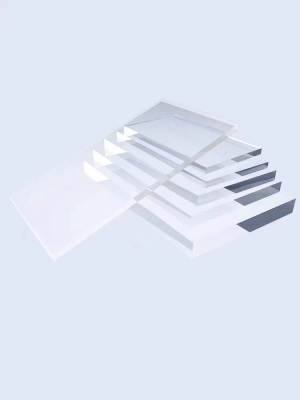
By integrating acrylic into various aspects of automotive interiors, manufacturers can achieve a balance of style, functionality, and durability, ultimately delivering a superior driving experience to customers.
Enhancing Aesthetics: Acrylic in Automotive Lighting and Displays
Acrylic in Headlights: Clear and Bright
Acrylic is widely used in automotive headlights due to its excellent optical clarity and durability. Acrylic lenses provide superior light transmission, ensuring that headlights are bright and effective in various driving conditions. Additionally, acrylic is highly resistant to UV light, preventing the lenses from yellowing over time, which helps maintain the vehicle’s aesthetic appeal.
Taillights: Stylish and Functional
When it comes to taillights, acrylic offers a perfect blend of style and functionality. The material can be easily molded into complex shapes, allowing for innovative design options that enhance the vehicle’s rear appearance. Acrylic’s ability to withstand high temperatures and resist impact makes it an ideal choice for taillight covers, ensuring they remain intact and effective even under harsh conditions.
Instrument Cluster Covers: Sleek and Durable
Instrument cluster covers made from acrylic not only provide a clear view of the vehicle’s vital statistics but also add a touch of sophistication to the dashboard. Acrylic’s smooth surface is resistant to scratches and can be easily cleaned, ensuring that the display remains crystal clear and free from blemishes. The durability of acrylic ensures that the instrument cluster cover will maintain its clarity and functionality throughout the vehicle’s lifespan.
Custom Lighting Designs
Acrylic’s versatility extends to custom lighting designs within the vehicle’s interior. From ambient lighting to illuminated controls, acrylic light guides can be used to create visually stunning effects that enhance the driving experience. The ability to customize the color and intensity of the lighting allows manufacturers to create unique interior atmospheres that cater to individual preferences.
Enhancing Safety with Acrylic
Safety is a critical consideration in automotive design, and acrylic plays a crucial role in enhancing it. Acrylic lighting components are designed to meet strict safety standards, ensuring that they perform reliably under various conditions. The high impact resistance of acrylic helps protect the lighting elements from damage, maintaining their effectiveness and longevity.
Energy Efficiency
Incorporating acrylic in automotive lighting not only improves aesthetics but also contributes to energy efficiency. Acrylic’s excellent light transmission properties allow for the use of LED lights, which consume less power compared to traditional lighting options. This reduction in energy consumption can lead to improved fuel efficiency, aligning with the industry’s shift towards more sustainable practices.

By integrating acrylic into automotive lighting and displays, manufacturers can achieve a balance of style, functionality, and efficiency, ultimately enhancing the overall appeal and performance of their vehicles.
Durability and Performance: Acrylic’s Advantages in Exterior Automotive Components
Acrylic Side Mirrors: Clarity and Strength
Acrylic is a popular choice for side mirrors due to its exceptional clarity and strength. Unlike traditional glass, acrylic side mirrors are shatter-resistant, providing enhanced safety for drivers. The lightweight nature of acrylic also contributes to the overall reduction in vehicle weight, which can improve fuel efficiency. Additionally, acrylic’s resistance to scratches ensures that side mirrors remain clear and functional even after prolonged use.
Spoilers: Aerodynamics and Style
Acrylic spoilers are not just about aesthetics; they play a crucial role in improving the vehicle’s aerodynamics. By reducing drag and increasing downforce, acrylic spoilers help enhance the car’s stability at high speeds. Acrylic’s ability to be molded into various shapes allows for custom designs that can significantly improve a vehicle’s appearance while providing functional benefits. The durability of acrylic ensures that spoilers can withstand harsh weather conditions and physical impacts without degrading.
Exterior Trims: Elegance and Resilience
Acrylic exterior trims add a touch of elegance to vehicles, offering a high-gloss finish that enhances their overall look. These trims are highly resistant to UV light, preventing them from fading or discoloring over time. Acrylic’s robustness ensures that exterior trims can withstand daily wear and tear, maintaining their appearance and function throughout the vehicle’s life. Furthermore, the ease of cleaning acrylic surfaces makes maintenance simple, ensuring that trims always look their best.
Customization Options for Exterior Components
One of the major benefits of using acrylic in exterior automotive components is the ease of customization. Acrylic can be easily colored, textured, and molded to meet specific design requirements. This flexibility allows manufacturers to create unique, visually appealing components that stand out in the market. Whether it’s for side mirrors, spoilers, or trims, the ability to customize acrylic components offers endless possibilities for enhancing a vehicle’s exterior.
Impact Resistance and Safety
Safety is a paramount concern in automotive design, and acrylic excels in this area. Acrylic components are engineered to be highly impact-resistant, reducing the risk of damage from collisions or road debris. This durability not only protects the vehicle but also ensures the safety of its occupants. Innovations in acrylic manufacturing have led to the development of even more resilient variants, further enhancing the safety and performance of exterior automotive components.
Environmental Considerations

Using acrylic in exterior automotive components also has environmental benefits. Acrylic is fully recyclable, which aligns with the automotive industry’s move towards more sustainable practices. The longevity and durability of acrylic components mean they need to be replaced less frequently, reducing waste and the demand for raw materials. This makes acrylic an eco-friendly choice for modern vehicle design.
By incorporating acrylic into side mirrors, spoilers, and exterior trims, automotive manufacturers can achieve a perfect balance of durability, performance, and aesthetics, ensuring their vehicles are both stylish and reliable.
Custom Acrylic Designs for Personalized Vehicle Interiors
Tailored Dashboards: Unique and Functional
Customizing acrylic dashboards allows for a unique blend of style and functionality. Acrylic can be molded into various shapes and sizes, offering endless design possibilities. Whether it’s incorporating custom shapes, colors, or finishes, acrylic dashboards can be tailored to reflect the personality and preferences of the vehicle owner. This level of customization not only enhances the aesthetic appeal but also provides a functional layout that improves the driving experience.
Personalized Door Panels: Style and Comfort
Acrylic door panels offer a high degree of personalization, allowing for custom designs that match the overall interior theme of the vehicle. These panels can be customized with various textures, colors, and patterns, providing a unique and cohesive look. Acrylic’s lightweight nature and durability make it an ideal material for door panels, ensuring that they not only look good but also perform well over time. Custom acrylic door panels can also include features like integrated lighting, adding an extra layer of sophistication and comfort to the vehicle’s interior.
Bespoke Center Consoles: Combining Elegance and Utility
Custom acrylic center consoles offer a perfect blend of elegance and utility. These consoles can be designed to include multiple compartments, touchscreens, and control panels, all while maintaining a sleek and modern appearance. The versatility of acrylic allows for intricate designs that are both aesthetically pleasing and highly functional. By customizing the center console, vehicle owners can create a unique interior space that meets their specific needs and preferences.
Innovative Lighting Solutions: Creating Ambiance
Acrylic lighting solutions within the vehicle interior can transform the ambiance, creating a unique and personalized atmosphere. Custom acrylic light guides can be used to integrate ambient lighting, illuminated controls, and accent lights. These lighting solutions can be tailored to match the interior design, offering various colors and intensities. The ability to customize lighting adds a distinctive touch to the vehicle, enhancing both the aesthetic appeal and the driving experience.
Custom Acrylic Accessories: Personalized Touches
Custom acrylic accessories such as shift knobs, control buttons, and trim pieces can add personalized touches to the vehicle interior. These accessories can be designed to match the overall interior theme, providing a cohesive and unique look. Acrylic’s versatility allows for detailed engravings, custom colors, and even embedded LED lights, offering endless possibilities for personalization. These custom accessories not only enhance the vehicle’s appearance but also provide a sense of individuality and style.
Seamless Integration and Enhanced Aesthetics
One of the significant advantages of using acrylic for custom vehicle interiors is its ability to seamlessly integrate with other materials and components. Custom acrylic designs can be combined with leather, metal, and fabric to create a harmonious and visually appealing interior. The smooth and glossy finish of acrylic adds a touch of elegance, while its durability ensures long-lasting performance. By incorporating custom acrylic elements, vehicle interiors can achieve a high level of sophistication and personalization.

By focusing on custom acrylic solutions, automotive manufacturers and designers can offer unique and personalized interiors that cater to the specific tastes and preferences of vehicle owners. This level of customization enhances the overall driving experience, making each vehicle truly one-of-a-kind.
Acrylic as a Lightweight Alternative: Improving Fuel Efficiency and Performance
The Benefits of Lightweight Materials in Automotive Design
- In the automotive industry, lightweight materials are increasingly important for improving fuel efficiency and overall vehicle performance. Acrylic stands out as a key material in this regard due to its excellent strength-to-weight ratio. By replacing heavier materials with acrylic, manufacturers can significantly reduce the overall weight of the vehicle, leading to enhanced performance and reduced fuel consumption.
Fuel Efficiency: Less Weight, More Savings
The use of acrylic components in place of traditional materials like glass and metal can lead to substantial weight savings. This reduction in weight translates directly into better fuel efficiency, as the engine requires less energy to move a lighter vehicle. Studies have shown that reducing a vehicle’s weight by just 10% can improve fuel efficiency by 6-8%. With acrylic’s lightweight properties, automotive manufacturers can achieve these weight reductions without compromising on strength or durability.
Performance Enhancements: Speed and Agility
A lighter vehicle benefits not only from improved fuel efficiency but also from enhanced performance characteristics. Acrylic’s lightweight nature contributes to better acceleration, handling, and braking. This is particularly important for high-performance and sports cars, where every kilogram counts. By incorporating acrylic into various components such as windows, mirrors, and interior parts, manufacturers can create vehicles that are both faster and more agile.
Acrylic Windows: Clarity and Weight Reduction
One of the most significant applications of acrylic in the automotive industry is in the production of car windows. Acrylic windows are not only lighter than traditional glass windows but also offer superior optical clarity and UV resistance. This weight reduction in the upper part of the vehicle lowers the center of gravity, enhancing stability and handling. Additionally, acrylic’s durability ensures that the windows are less prone to shattering, providing an added safety benefit.
Lightweight Interiors: Comfort and Efficiency
Acrylic interiors contribute to overall weight reduction while providing a modern and stylish look. Components such as dashboards, door panels, and center consoles made from acrylic are significantly lighter than their metal or composite counterparts. This reduction in interior weight enhances the vehicle’s efficiency and performance. Moreover, acrylic’s versatility in design allows for the creation of ergonomic and aesthetically pleasing interiors that improve the driving experience.
Environmental Impact: Reducing Emissions
The use of lightweight acrylic components also has positive environmental implications. By improving fuel efficiency, vehicles emit fewer greenhouse gases, contributing to a reduction in the overall carbon footprint. The production of acrylic itself is also less energy-intensive compared to some traditional automotive materials, further enhancing its eco-friendly credentials. As the automotive industry continues to move towards sustainability, acrylic presents a viable solution for reducing the environmental impact of vehicles.
Future Prospects: Innovations in Acrylic Technology

The future of acrylic in automotive applications looks promising, with ongoing research and development aimed at enhancing its properties and expanding its uses. Innovations such as impact-resistant and heat-resistant acrylic variants are set to further boost its appeal in the automotive sector. As these advancements continue, we can expect to see even more extensive use of acrylic in vehicles, driving further improvements in fuel efficiency, performance, and sustainability.
By leveraging the lightweight nature of acrylic, automotive manufacturers can create vehicles that are not only more fuel-efficient and performant but also more environmentally friendly, meeting the demands of modern consumers for sustainable and high-performing cars.
Innovative Acrylic Applications in Concept Cars and Prototypes
Pushing Design Boundaries with Acrylic
In the realm of concept cars and prototypes, acrylic plays a pivotal role in pushing the boundaries of automotive design. Its versatility and ease of fabrication allow designers to experiment with bold and innovative concepts that would be challenging to achieve with traditional materials. From intricate shapes to seamless surfaces, acrylic provides the flexibility needed to bring futuristic designs to life.
Transparent Roofs and Windows: A Vision of the Future
One of the most striking applications of acrylic in concept cars is the use of transparent roofs and windows. Acrylic’s exceptional clarity and UV resistance make it an ideal material for creating panoramic roofs and large windows that offer an unobstructed view. These features not only enhance the aesthetic appeal of the vehicle but also provide a unique and immersive experience for passengers, allowing them to feel more connected to their surroundings.
Illuminated Elements: Enhancing Visual Impact
Acrylic lighting elements are widely used in concept cars to create dramatic visual effects. By incorporating LED lights within acrylic panels, designers can achieve stunning illuminated surfaces that highlight the vehicle’s contours and features. These illuminated elements can be used both inside and outside the car, adding a futuristic touch and enhancing the overall visual impact. Customizable lighting patterns and colors further allow for personalization and distinctive styling.
Aerodynamic Enhancements: Form Meets Function
In concept cars, the combination of aerodynamics and aesthetics is crucial. Acrylic spoilers, diffusers, and other aerodynamic components are not only lightweight but also allow for complex shapes that improve the vehicle’s performance. By reducing drag and enhancing downforce, these acrylic components contribute to better fuel efficiency and handling. The ability to mold acrylic into precise and intricate forms makes it an invaluable material for achieving optimal aerodynamic performance.
Innovative Interiors: Comfort and Style
The interior of concept cars often showcases the latest trends in automotive design, and acrylic is at the forefront of these innovations. Acrylic dashboards, center consoles, and door panels offer a sleek and modern look while providing the durability and functionality required in automotive applications. The material’s ability to integrate seamlessly with other high-tech features, such as touchscreens and ambient lighting, makes it a favorite among designers looking to create cutting-edge interiors.
Prototyping and Rapid Development
Acrylic’s role in the development of prototypes cannot be overstated. Its ease of machining and forming allows for rapid prototyping, enabling designers and engineers to quickly test and refine their ideas. This accelerates the development process and allows for more iterations, leading to better final designs. Acrylic prototypes can closely mimic the appearance and function of the final product, providing valuable insights during the development stages.
Customization and Personalization
Concept cars often serve as a canvas for showcasing the possibilities of customization and personalization in future vehicles. Acrylic allows for a high degree of customization, from unique body panels to personalized interior elements. The ability to create custom shapes, textures, and finishes with acrylic means that each concept car can be tailored to reflect a specific vision or brand identity. This level of customization is crucial in demonstrating the potential for individualized vehicle designs in the automotive market.

By incorporating acrylic into concept cars and prototypes, designers and engineers can explore new frontiers in automotive design, creating vehicles that are not only visually stunning but also technologically advanced and highly functional.
Frequently Asked Questions about Acrylic Customization for Automotive Interiors
1. What types of customization can ownplastics undertake?
Answer: At ownplastics, we can handle a wide range of customization projects, including both sample customization and batch customization. Whether you need a single prototype or a large production run, we have the expertise and resources to meet your requirements.
2. What file formats does ownplastics accept for customization projects?
Answer: We accept a variety of file formats to make the customization process as smooth as possible. You can submit your designs in PDF, CAD, and other common file formats. This flexibility ensures that we can work with the files you are most comfortable using.
3. Is there a minimum order quantity (MOQ) for custom acrylic projects?
Answer: No, there is no minimum order quantity (MOQ) at ownplastics. We believe in providing flexibility to our customers, whether you need a single custom piece or a larger batch. Our goal is to accommodate projects of all sizes.
4. How is the production cycle determined for custom orders?
Answer: The production cycle for custom orders is determined based on the order volume and the complexity of the process. We take into account the specific requirements of each project to provide an accurate timeline. Additionally, we keep our customers informed about the production progress in real-time.
5. Does ownplastics provide samples for custom projects?
Answer: Yes, we provide samples for custom projects. Customers are responsible for the shipping costs, but the sample itself is provided free of charge. This allows you to review and approve the quality and design before proceeding with the full order.
6. Can ownplastics create custom acrylic components for automotive interiors?
Answer: Absolutely. We specialize in creating custom acrylic components for various applications, including automotive interiors. From dashboards and door panels to center consoles and trim pieces, we can tailor our products to meet your specific design and functional requirements.
7. How does ownplastics ensure the quality of custom acrylic parts?
Answer: Quality is a top priority at ownplastics. We use high-quality materials and state-of-the-art manufacturing processes to ensure that every custom part meets our stringent quality standards. Additionally, our team conducts thorough inspections at every stage of production to guarantee the final product’s excellence.
8. What are the benefits of using acrylic for custom automotive parts?
Answer: Acrylic offers several benefits for custom automotive parts, including lightweight properties, durability, optical clarity, and ease of customization. These attributes make acrylic an ideal material for creating stylish and functional components that enhance vehicle performance and aesthetics.
9. How does ownplastics handle complex customization requests?
Answer: Our experienced team is equipped to handle even the most complex customization requests. We work closely with our customers to understand their specific needs and provide tailored solutions. Our advanced manufacturing capabilities allow us to create intricate designs and detailed components with precision.
10. What support does ownplastics offer during the customization process?
Answer: At ownplastics, we provide comprehensive support throughout the customization process. From initial consultation and design assistance to real-time updates on production progress, our team is dedicated to ensuring a smooth and successful project. We are always available to answer any questions and address any concerns you may have.
These questions and answers cover key aspects of acrylic customization for automotive interiors, providing valuable information to potential customers and helping them understand the capabilities and services offered by ownplastics.
By integrating acrylic into automotive design and manufacturing, the industry is able to achieve a remarkable balance of style, functionality, and performance. From enhancing interior aesthetics with custom dashboards and lighting to improving fuel efficiency with lightweight components, acrylic proves to be an invaluable material in modern vehicle innovation. As we continue to push the boundaries of automotive design, the versatility and durability of acrylic will undoubtedly play a pivotal role in shaping the future of transportation. Whether you’re a manufacturer, designer, or enthusiast, the benefits of acrylic are clear – driving forward both the efficiency and aesthetic appeal of the vehicles we rely on every day.

Ready to Transform Your Vehicle with Custom Acrylic Components?
Fill out the contact form on the right side of the page to get started. Our team at ownplastics is here to bring your vision to life with high-quality, custom acrylic solutions. Jump to our customization page to explore more about our offerings and how we can help you achieve the perfect look and functionality for your automotive interiors.


Comments
Post a Comment